

The Sacred 8th Jyotirlinga of Lord Shiva
Saturday 7th November, 2026 to Sunday 6th December, 2026
"ॐ नमः शिवाय त्र्यंबकेश्वराय - Om Namah Shivaya Tryambakeshwaraya"
Siva Sadhana Satsang - Sun Nov 1st, 2026 at 4 PM
Why should I joing in this Sankalpa?
To Receive
Spiritual purification | Removes negative karma | Inner peace and clarity | Blessings for family harmony | Protection from obstacles | Path to liberation (Moksha)
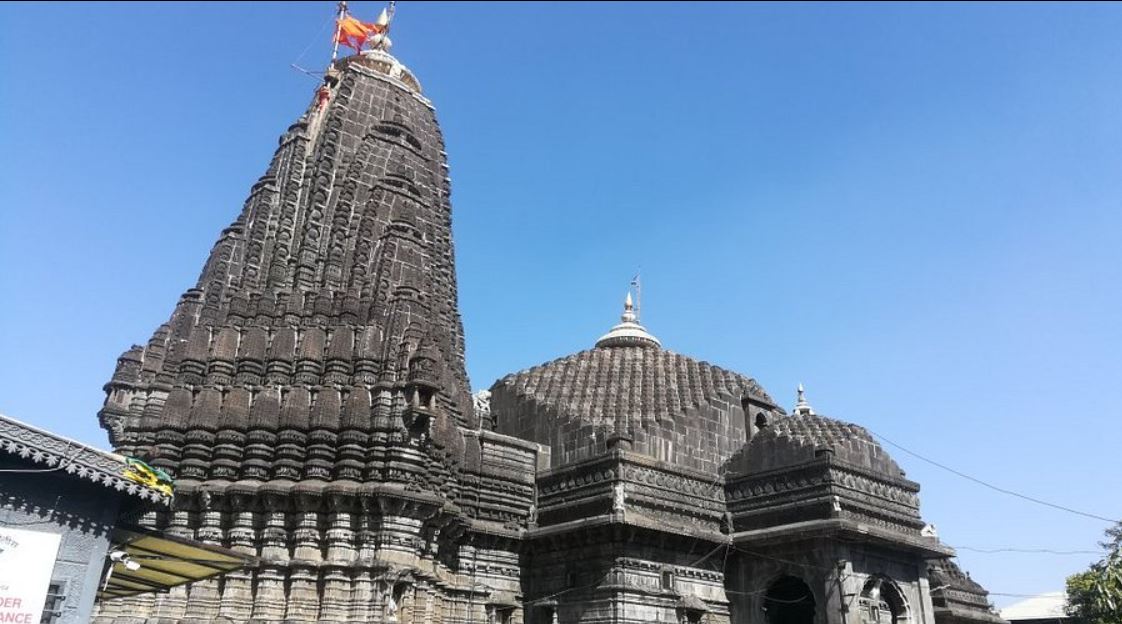
The sacred shrine of Trimbakeshwar Temple is one of the twelve revered Jyotirlingas of Lord Shiva. Located at the foothills of the Brahmagiri mountains in Maharashtra, this temple is a powerful spiritual center where thousands of devotees gather to seek the blessings of Lord Shiva. The temple is uniquely associated with the origin of the holy Godavari River, making it an important pilgrimage destination for devotees across India.
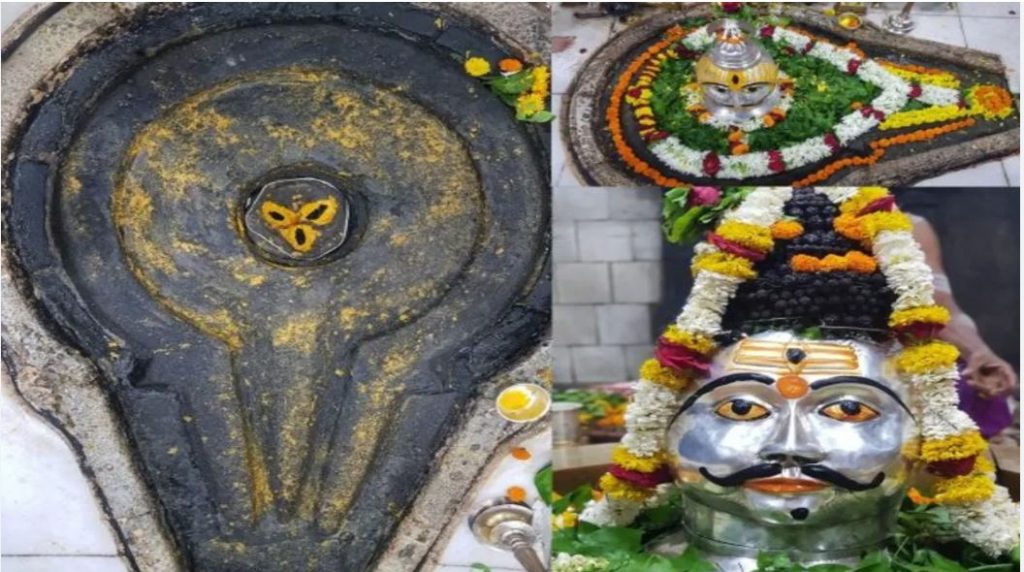
What makes Tryambakeśvara Jyotirlinga truly special is its rare form representing the Trimurti—Brahma, Vishnu, and Shiva within a single sacred Linga. This symbolizes the cosmic cycle of creation, preservation, and transformation. Devotees believe that worshipping here removes past karmas and grants spiritual growth and divine protection.
History of Tryambakeśvara Jyotirlinga
The temple has deep historical and spiritual roots dating back many centuries. The current structure was built in the 18th century by Peshwa Balaji Baji Rao using black basalt stone in the traditional Hemadpanthi architectural style. The temple’s intricate carvings and majestic towers reflect the brilliance of ancient Indian craftsmanship.
Surrounded by the scenic Brahmagiri hills, the temple complex also contains sacred ponds and smaller shrines dedicated to various Hindu deities. Pilgrims visiting the temple often perform sacred rituals, including ancestral ceremonies and purification rites, which have been practiced here for generations.
The Legend of Tryambakeśvara Jyotirlinga
According to ancient scriptures, the great sage Gautama Rishi lived on the Brahmagiri hills with his wife Ahalya. Due to his devotion and righteous life, his ashram was blessed with abundant food even during times of famine. Other sages became jealous and created a situation that caused Gautama to unknowingly commit the sin of killing a cow.
To cleanse himself of this sin, Gautama performed intense penance to Lord Shiva. Pleased by his devotion, Lord Shiva released the sacred river Godavari from his divine locks and allowed it to flow on Earth. The sage then requested Lord Shiva to stay there permanently, and the Lord manifested as the Tryambakeśvara Jyotirlinga, blessing the place forever.
Spiritual Significance of Tryambakeśvara Jyotirlinga
Tryambakeśvara is considered one of the most spiritually powerful pilgrimage sites in India. The temple is especially famous for rituals such as Narayan Nagbali, Kaal Sarp Dosh Nivaran, and Pitru Shanti Pooja, which are believed to remove ancestral karmic obstacles.
Devotees also take a sacred bath in Kushavarta Kund, the symbolic origin of the Godavari River, before entering the temple for darshan. The sacred vibrations of the temple and the continuous chanting of Shiva mantras create a deeply divine atmosphere for spiritual seekers.
Temple Location and Architecture
The temple is located in Trimbak town, about 28 km from Nashik in Maharashtra. The temple is surrounded by three hills—Brahmagiri, Nilagiri, and Kalagiri, which enhance its natural and spiritual beauty.
Architecturally, the temple is constructed from black stone and features intricate carvings of gods, floral patterns, and sacred symbols. Unlike other Jyotirlingas, the sanctum here contains a small hollow representing the three divine aspects of the Trimurti. The temple’s towering spire, detailed sculptures, and sacred tanks make it one of the most visually impressive Shiva temples in India.
The Tryambakeśvara Jyotirlinga stands as a powerful symbol of divine unity and spiritual transformation. It represents the eternal cycle of creation, preservation, and dissolution through the Trimurti embodied in Lord Shiva.
This month Tryambakeśvara Jyotirlinga Abhishekam from Nov 7th – Dec 6th, 2026