

The Sacred 12th Jyotirlinga of Lord Shiva
Feb 15 - Mar 16, 2026
"ॐ नमः शिवाय सोमेश्वराय
Om Namah Shivaya Someshwaraya"
Why should I joing in this Sankalpa?
To Receive
Peace and mental clarity | Removal of negative karma | Spiritual awakening | Divine protection | Inner strength and courage | Blessings for health and prosperity
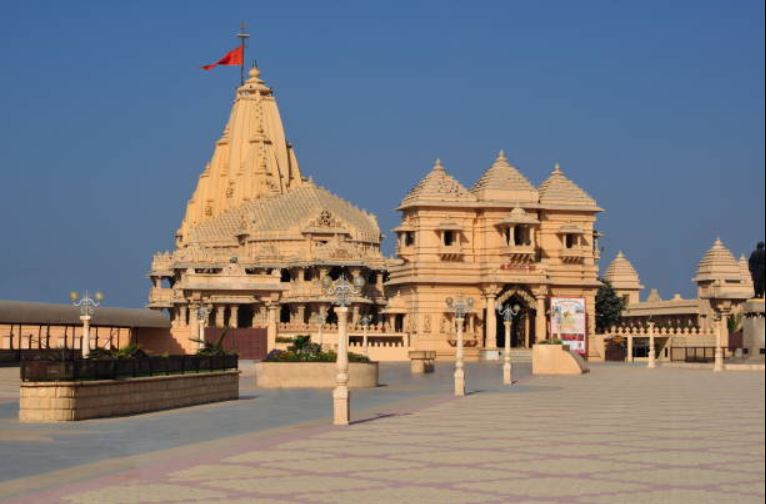
The sacred Somnath Temple is one of the holiest shrines dedicated to Lord Shiva and is widely regarded as the first among the twelve Jyotirlingas. Located on the western coast of Gujarat, this divine temple stands majestically near the shores of the Arabian Sea, creating a powerful spiritual atmosphere for devotees. The name “Somnātha” means “Lord of the Moon”, symbolizing Shiva as the protector and healer of the Moon God.
Millions of pilgrims visit Somnātha each year to seek blessings, peace, and spiritual upliftment. The temple represents eternal devotion and resilience in Sanatana Dharma. Devotees believe that worshipping the Somnātha Jyotirlinga removes sins, grants inner peace, and leads one closer to liberation (moksha). The rhythmic sound of ocean waves and sacred chants create a deeply divine environment that enhances the spiritual experience of worship.
History of Somnātha Jyotirlinga
The history of the Somnātha temple spans thousands of years, making it one of the oldest and most revered temples in India. Historical records suggest that the temple existed as early as the first millennium and was rebuilt several times throughout history after invasions and destruction.
The present structure of the temple was reconstructed in 1951 after India’s independence with the support of leaders such as Sardar Vallabhbhai Patel, symbolizing cultural revival and spiritual resilience.
The Legend of Somnātha Jyotirlinga
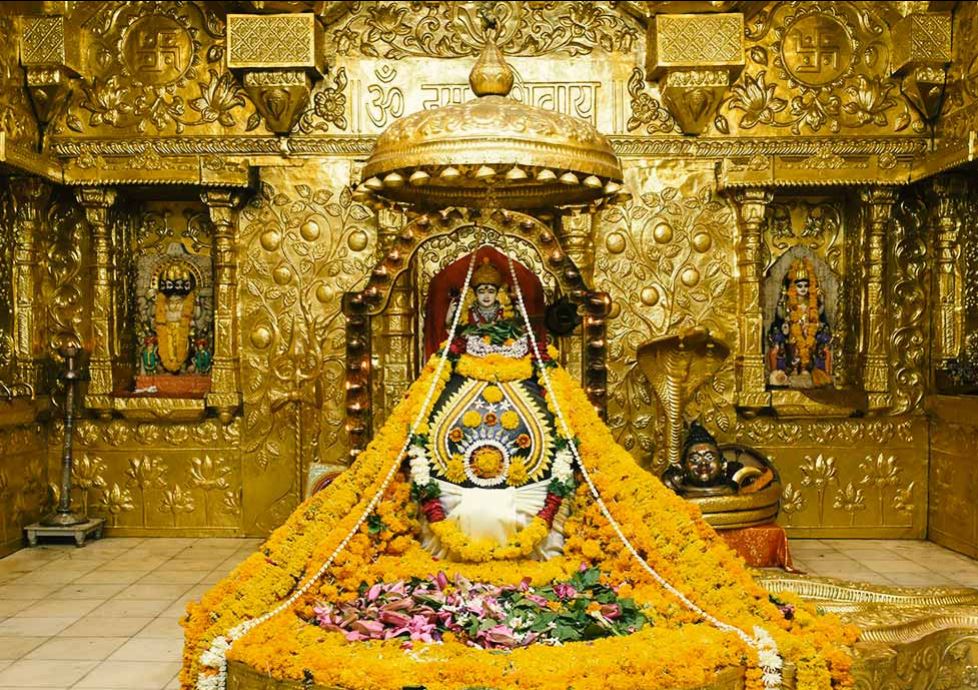
According to ancient scriptures, the Moon God Chandra was cursed by his father-in-law Daksha to lose his brightness because he favored one wife over the others. Distressed by the curse, Chandra performed intense penance and prayed to Lord Shiva at Prabhas Patan.
Pleased with his devotion, Lord Shiva relieved the curse and restored Chandra’s radiance. In gratitude, the Moon God built a magnificent temple in honor of Shiva, naming him Somnātha, meaning “Lord of the Moon.”
Spiritual Significance of Somnātha Jyotirlinga
Somnātha Jyotirlinga symbolizes the eternal light of Lord Shiva, representing cosmic power and divine consciousness. The word Jyotirlinga means “pillar of divine light,” believed to be the manifestation of Shiva’s infinite energy.
Pilgrims believe that offering prayers here removes negative karma, brings peace to the mind, and grants spiritual liberation. The temple is also an important destination for those undertaking the sacred Dwadash Jyotirlinga Yatra, a pilgrimage covering all twelve Jyotirlinga temples of India.
Temple Location and Architecture
The Somnātha temple stands at Prabhas Patan near Veraval in Gujarat, facing the vast Arabian Sea. Its location is considered extremely sacred because it lies close to the Triveni Sangam, where three mythological rivers—Saraswati, Kapila, and Hiran—are believed to meet.
Architecturally, the temple is built in the Chalukya (Kailash Mahameru Prasad) style, featuring magnificent carvings, towering spires, and intricate stone craftsmanship. The temple’s grand shikhara rises high above the sanctum, crowned with a sacred flag that symbolizes divine presence.
Somnātha Jyotirlinga stands as a timeless symbol of devotion, faith, and spiritual strength. Despite facing destruction multiple times throughout history, the temple has always risen again, reflecting the unwavering belief of devotees in Lord Shiva.
Visiting Somnātha is not just a pilgrimage but a deeply transformative spiritual journey. The temple’s sacred energy, historical legacy, and mythological significance continue to inspire millions of devotees who come seeking blessings, peace, and divine connection with Lord Shiva.