

The Sacred 12th Jyotirlinga of Lord Shiva
Mar 17 - Apr 15, 2026
" नमः शिवाय घृष्णेश्वराय – Namah Shivaya Grishneshwaaya
"

Why should I joing in this Sankalpa?
Be Blessed With
Spiritual Purification | Removal of Obstacles | Peace and Inner Strength | Blessings for Family Well-being | Fulfillment of Wishes
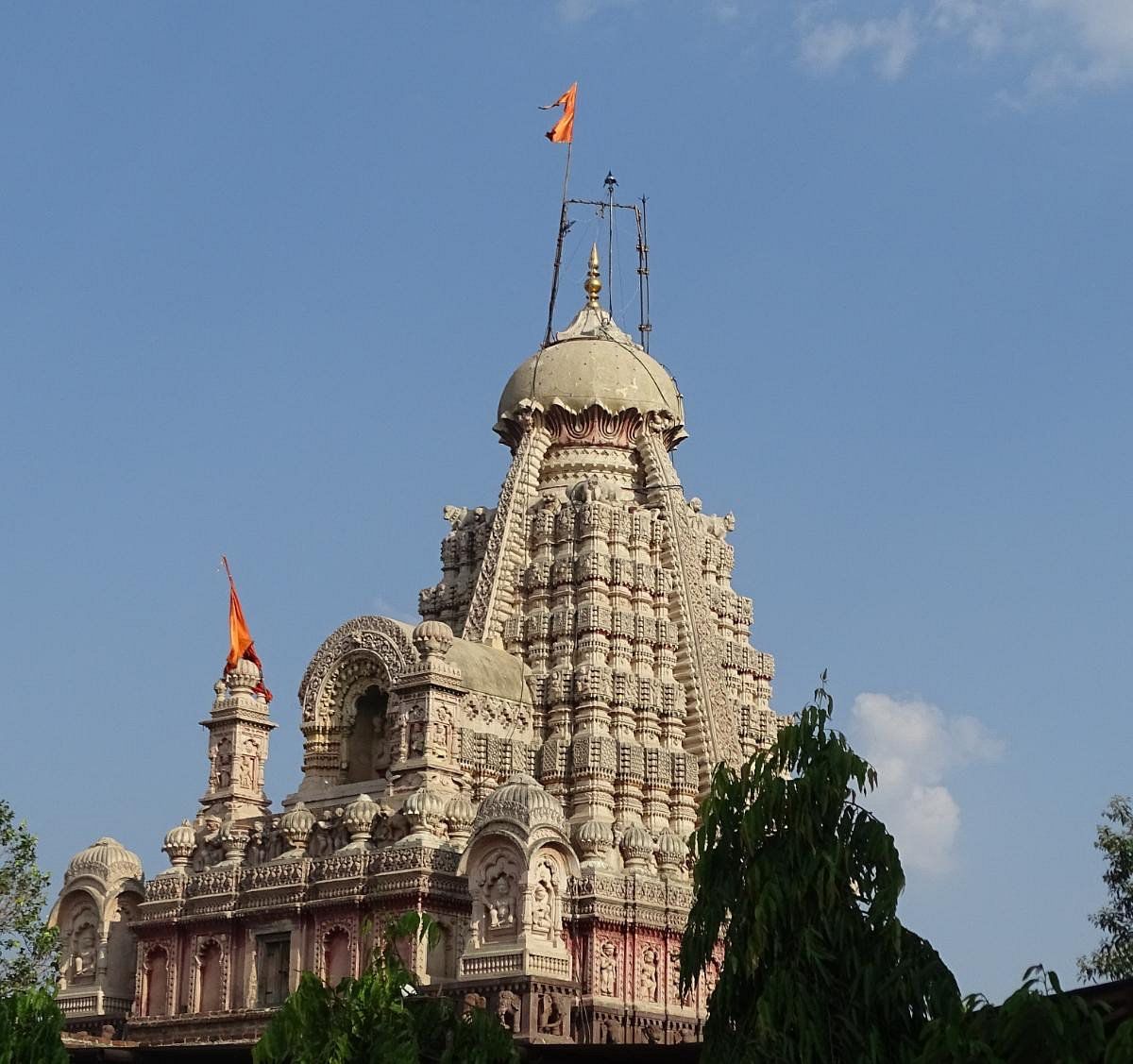
Grishneshwar Jyotirlinga Temple is one of the twelve sacred Jyotirlingas of Lord Shiva and holds a special place in the hearts of devotees. Located near the famous Ellora Caves, this temple is revered as the 12th and final Jyotirlinga mentioned in the sacred texts. Pilgrims visit this holy shrine seeking blessings, peace, and spiritual upliftment.
The temple is not only a sacred pilgrimage destination but also a symbol of deep devotion and faith in Lord Shiva. Surrounded by a serene spiritual atmosphere, the temple attracts thousands of devotees and travelers every year. The divine presence of the Jyotirlinga is believed to remove negative energies and bring inner peace to devotees. Many pilgrims visit this holy shrine to perform Abhishekam and special prayers seeking divine blessings.
History of Grishneshwar Jyotirlinga
The temple has a long and sacred history. It is believed that the original shrine existed for many centuries but was destroyed during invasions. Later, the temple was beautifully rebuilt in the 18th century by Queen Ahilyabai Holkar, the great Maratha ruler known for restoring many important Hindu temples across India.
The temple is constructed using red basalt stone and reflects traditional South Indian temple architecture combined with Maratha style. The peaceful atmosphere and divine energy make it an important pilgrimage destination for Shiva devotees.
The Legend of Grishneshwar
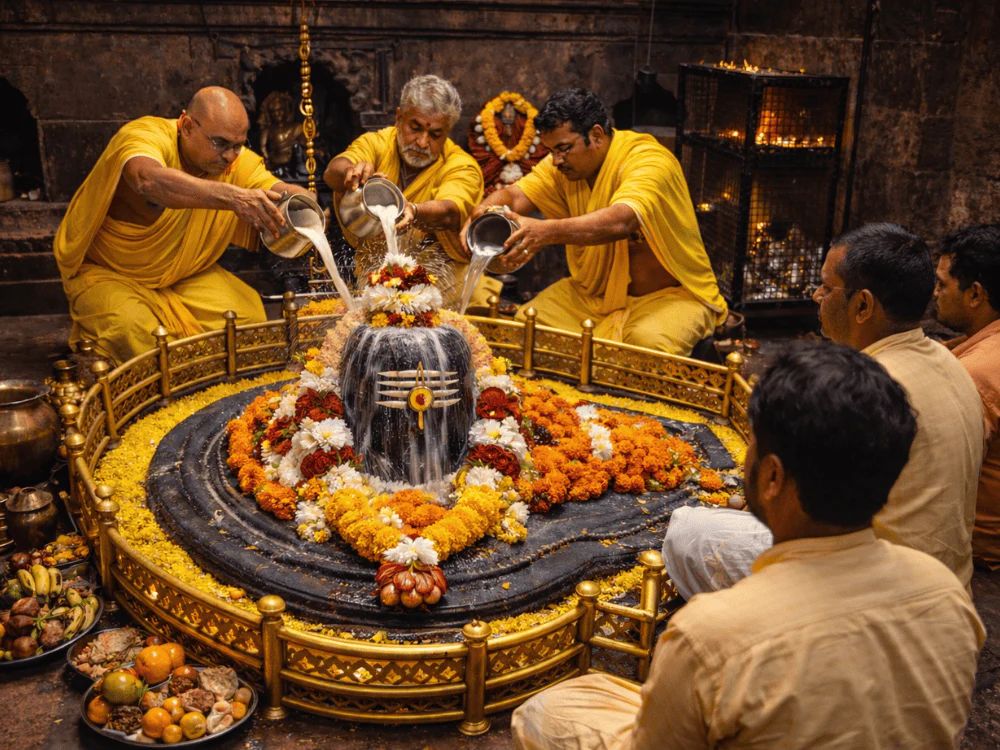
According to ancient legend, a devoted woman named Ghushma was a great devotee of Lord Shiva. Every day she made 101 Shiva Lingas, worshipped them with deep devotion, and immersed them in a nearby lake.
Due to jealousy, her son was killed and his body was thrown into the same lake. Despite the tragedy, Ghushma continued her worship with unwavering faith in Lord Shiva. Moved by her devotion, Lord Shiva appeared, restored her son to life, and manifested himself as a Jyotirlinga at that place.
From that time, the deity became known as Ghushmeshwar (Grishneshwar).
Spiritual Significance of Grishneshwar Jyotirlinga
For devotees of Lord Shiva, visiting this temple is believed to bring:
Spiritual purification
Removal of obstacles and sins
Peace of mind and inner strength
Blessings for family well-being
Since it is the last of the twelve Jyotirlingas, many pilgrims complete their Jyotirlinga pilgrimage here.
Grishneshwar Temple Location and Architecture
The temple is located about 30 km from Aurangabad and very close to the world-famous Ellora caves.
Architectural highlights include:
A five-tier shikhara (temple tower)
Beautiful carvings of Hindu deities and mythological scenes
A large stone Nandi statue facing the sanctum
Intricate red stone walls and pillars
The temple’s structure reflects the spiritual beauty and artistic brilliance of ancient Indian temple design.
These rituals are believed to bring divine blessings and spiritual fulfillment.
Grishneshwar Jyotirlinga stands as a symbol of devotion, faith, and divine grace. Visiting this sacred shrine not only connects devotees with Lord Shiva but also reminds us of the power of true devotion and unwavering faith.
This month Ghṛṣṇeśvara Jyotirlinga Abhishekam from Mar 17 – Apr 15, 2026