

The Sacred 3rd Jyotirlinga of Lord Shiva
Saturday 13th June, 2026 to Saturday 11th July, 2026
"ॐ नमः शिवाय महाकालाय - Om Namah Shivaya Mahakalaya"
Siva Sadhana Satsang - Sunday June 7, 2026 at 4 PM
Why should I joing in this Sankalpa?
To Receive
Protection from fear and negative energies | Blessings for long life and good health | Removal of past karmic obstacles | Inner peace and spiritual awakening | Protection from untimely death
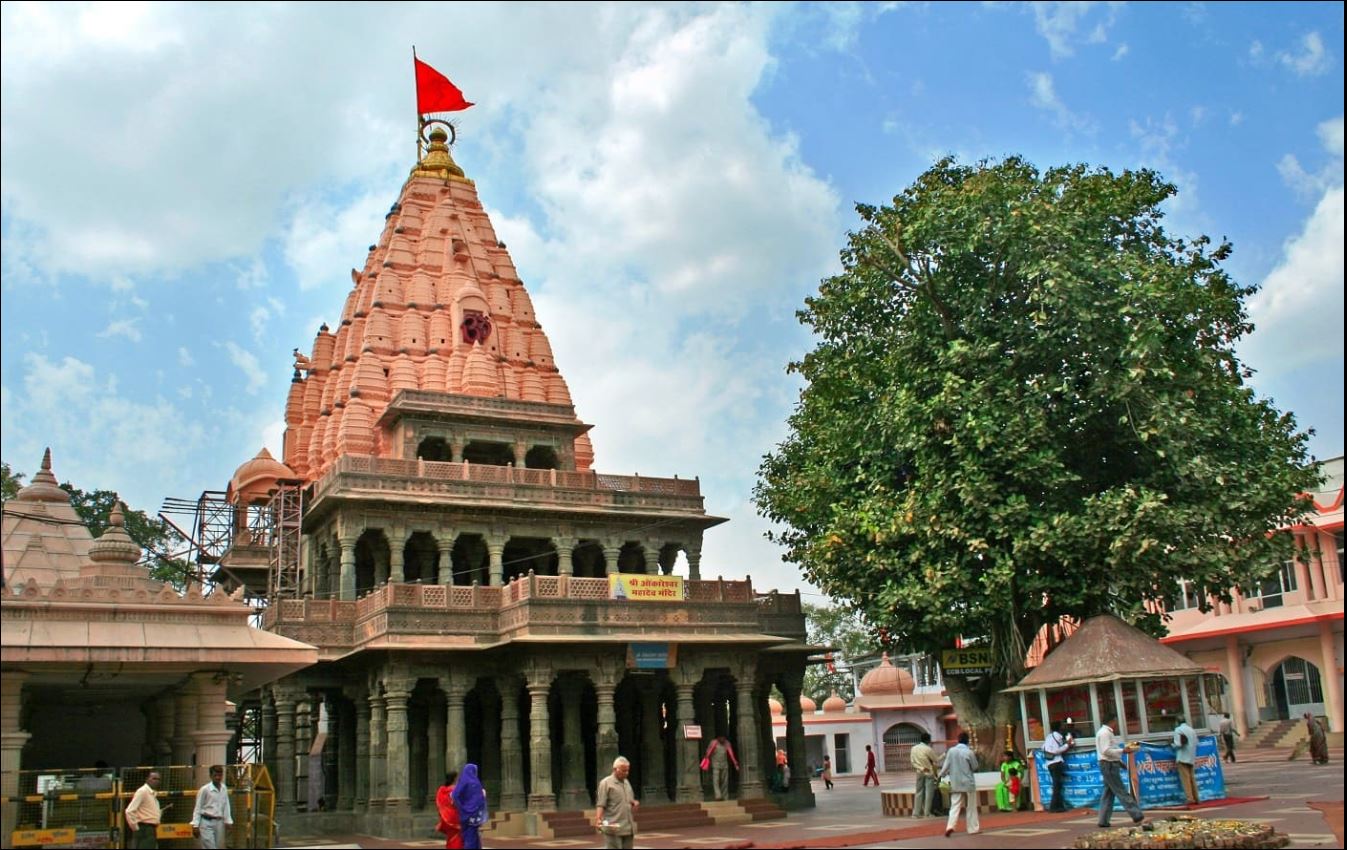
Mahakaleshwar Jyotirlinga located in the holy city of Ujjain is one of the twelve sacred Jyotirlingas of Lord Shiva and holds immense spiritual importance in Hindu tradition. The name “Mahakal” means Lord of Time and Death, symbolizing Shiva as the ultimate power beyond the cycle of life and death. Devotees believe that worshipping Mahakaleshwar protects them from negative forces and grants spiritual liberation. The temple attracts thousands of pilgrims every year who come to seek blessings, peace, and divine protection.
The Mahakaleshwar Jyotirlinga is unique because it is a Swayambhu (self-manifested) lingam and faces south, which is rare among Jyotirlinga shrines. This south-facing form of Shiva represents victory over death and the power to destroy fear. The temple is also famous for its sacred Bhasma Aarti, where the deity is worshipped with holy ash, symbolizing the eternal truth that everything eventually returns to ash. This powerful ritual draws devotees from across the world seeking spiritual transformation.
History of Mahākāleśvara Jyotirlinga
The history of the Mahakaleshwar temple dates back thousands of years and is deeply connected with ancient Hindu scriptures and traditions. Historical records indicate that the temple existed in ancient times when the city of Ujjain was known as Avantika, an important center of learning and spirituality. Over centuries, the temple faced several invasions and destructions during medieval times. In the 13th century, the shrine was attacked and damaged during invasions, but the devotion of followers ensured that the temple was rebuilt and restored.
Today, the temple stands as a symbol of unwavering faith and resilience. Many rulers and devotees contributed to rebuilding and maintaining the temple, preserving its spiritual legacy. Despite historical challenges, Mahakaleshwar continues to be one of the most powerful pilgrimage centers for devotees of Lord Shiva.
The Legend of Mahākāleśvara Jyotirlinga
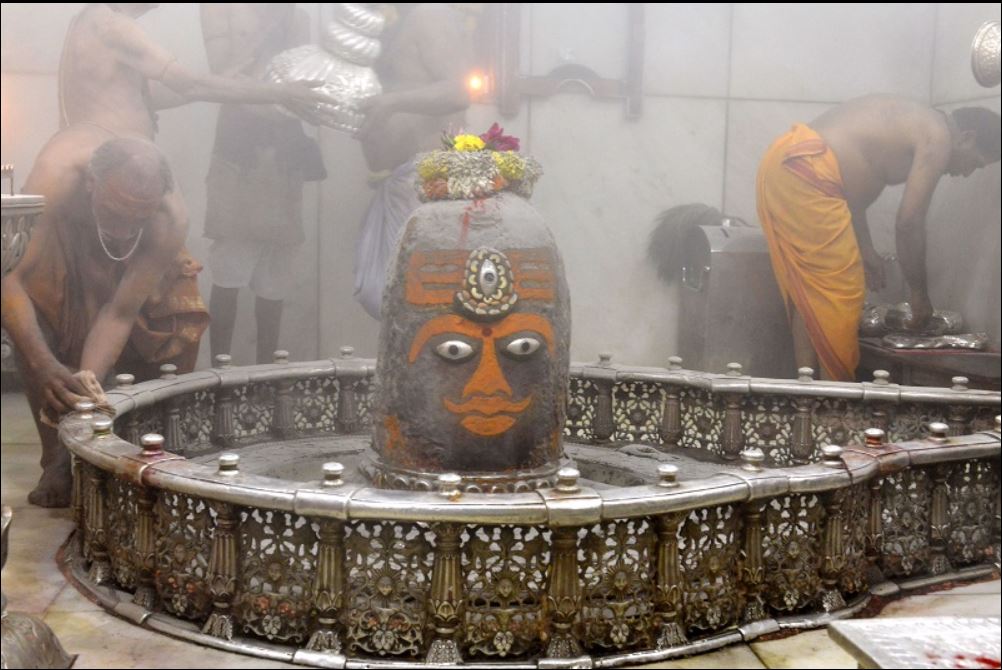
According to ancient legends, there once lived a devoted king named Chandrasena who ruled the kingdom of Ujjain. He was a great devotee of Lord Shiva and spent much of his time in prayer and meditation. A young boy named Shrikar, inspired by the king’s devotion, also began worshipping Lord Shiva with deep faith.
When rival kings attacked the city, the young devotee prayed intensely to Lord Shiva for protection. Moved by the devotion of the boy and the king, Lord Shiva appeared in a blazing form of divine light and destroyed the enemies. He then manifested himself as the Mahakaleshwar Jyotirlinga to protect the city forever.
Spiritual Significance of Mahākāleśvara Jyotirlinga
Mahakaleshwar is considered one of the most spiritually powerful Jyotirlingas. The word “Mahakal” represents the lord who controls time itself. Devotees believe that worshipping here removes fear of death and grants liberation from the cycle of birth and rebirth.
The temple is also associated with powerful tantric traditions and cosmic energy. The sacred Bhasma Aarti, performed at dawn, symbolizes the ultimate truth of life—that everything in the universe eventually returns to ash. This ritual reminds devotees about detachment and spiritual awareness, encouraging them to live a life of devotion and righteousness.
Temple Location and Architecture
The Mahakaleshwar temple is located near the banks of the sacred Shipra River in the historic city of Ujjain. The temple complex features magnificent architecture with towering spires, intricately carved pillars, and multiple levels of shrines.
One of the unique architectural aspects is that the main sanctum lies underground, giving the temple a mysterious and powerful spiritual aura. The temple has several floors, each dedicated to different forms of Lord Shiva and other deities such as Ganesha, Parvati, and Kartikeya. The topmost shrine of Nagchandreshwar opens only once a year during the festival of Nag Panchami.
Mahākāleśvara Jyotirlinga stands as a timeless symbol of devotion, spiritual power, and divine protection. For centuries, devotees have traveled to this sacred shrine seeking blessings from Lord Shiva, the eternal protector who transcends time and death. The temple’s deep mythology, ancient history, and powerful rituals make it one of the most revered pilgrimage destinations in India.
Visiting the Mahakaleshwar temple is not just a journey to a holy shrine—it is a spiritual experience that connects devotees with the eternal presence of Lord Shiva. Through prayer, devotion, and faith, pilgrims believe they can receive divine grace and guidance from the powerful form of Mahakal, the supreme lord of time.
This month Mahākāleśvara Jyotirlinga Abhishekam from June 13th – July 11th, 2026