

The Sacred 12th Jyotirlinga of Lord Shiva

Apr 16 - May 13, 2026
ॐ नमः शिवाय रामेशवरा
य
Om Namah Shivaya Rameshwaraya
Why should I joing in this Sankalpa?
To Receive
Inner peace and mental clarity | Removal of past karmic obstacles | Protection from negative energies | Blessings for health and prosperity | Spiritual growth and devotion
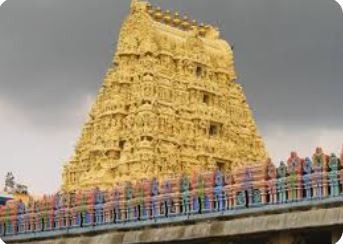
Ramanathaswamy Temple in Rameswaram is one of the holiest pilgrimage destinations for devotees of Lord Shiva. This sacred shrine is revered as the 12th Jyotirlinga, where millions of devotees visit every year to seek divine blessings and spiritual purification.
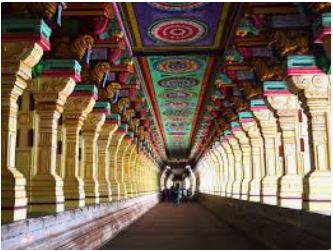
The temple is famous for its magnificent corridors, massive pillars, and sacred water tanks known as theerthams. Pilgrims traditionally take a holy dip in the sea and the 22 sacred wells within the temple before offering prayers. This sacred ritual is believed to cleanse sins and purify the soul. The temple symbolizes the harmony between Shaivism and Vaishnavism, where devotees of both Lord Shiva and Lord Vishnu worship together.
History of Rāmeśvaram Jyotirlinga
The sacred temple has a long and glorious history spanning many centuries. Historical records suggest that the temple’s present structure was expanded during the rule of the Pandya dynasty and later supported by several South Indian kings. Over time, rulers from different dynasties contributed to the temple’s architecture and spiritual importance.
The shrine gradually evolved from a small sacred site into a grand temple complex known for its beautiful corridors and towering gopurams. Today, it stands as one of the most important pilgrimage destinations in India and is also part of the sacred Char Dham pilgrimage circuit.
The Legend of Rāmeśvaram Jyotirlinga
According to the legend from the Ramayana, Lord Rama prayed to Lord Shiva at this sacred place before crossing the ocean to Lanka. To seek Shiva’s blessings, Rama installed a Shivling made of sand, which became known as Ramalingam.
It is also believed that Rama asked Hanuman to bring a lingam from Mount Kailash. When Hanuman returned with the lingam, Rama instructed devotees to worship it first. This lingam is known as Vishwalingam, and the tradition continues even today.
Spiritual Significance of Rāmeśvaram Jyotirlinga
The Rāmeśvaram Jyotirlinga is believed to possess immense spiritual power. Devotees visit this sacred shrine to seek forgiveness for sins and attain spiritual liberation. According to tradition, offering Ganga water to the Shiva Lingam here is considered extremely auspicious.
Pilgrims also perform rituals for their ancestors and seek blessings for family prosperity and peace. The sacred baths in the temple’s theerthams are believed to purify the body and soul, making the pilgrimage spiritually transformative.
Temple Location and Architecture
The temple is located on Rameswaram Island in Tamil Nadu, surrounded by the waters of the Indian Ocean and the Bay of Bengal.
The temple is famous for:
One of the longest temple corridors in the world
Massive stone pillars and majestic Dravidian architecture
22 sacred wells used for ritual purification
Grand gopurams and beautifully carved mandapams
The temple complex reflects the brilliance of ancient South Indian temple architecture and attracts millions of devotees and tourists every year.
The sacred shrine of Ramanathaswamy Temple stands as a timeless symbol of devotion, faith, and divine power. Connected deeply with the story of Lord Rama and the blessings of Lord Shiva, this holy temple continues to inspire millions of pilgrims from across the world.
A visit to Rāmeśvaram Jyotirlinga is not just a pilgrimage—it is a spiritual journey that purifies the soul and strengthens one’s connection with the divine.