A Year of Steadiness Beginning This Mahasivaratri

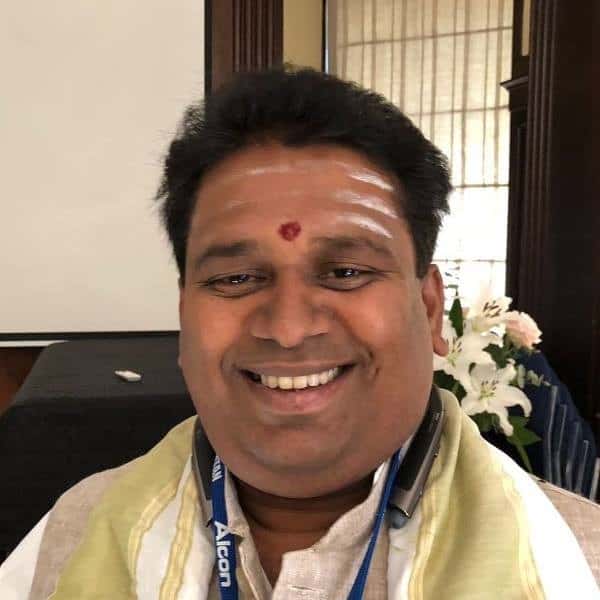
Pandit Sharma C.S. Samavedula

A Sacred Gift for Spiritual Seekers

 Mahasivaratri marks a powerful spiritual threshold—a time traditionally dedicated to prayer, purification, and inner renewal.

For many, a single night of observance is complete and meaningful.

Yet for some, this year calls for continuity.

If you are sensing mental scattering, emotional overload, or difficulty staying centered amid the intensity of daily life, this offering is created for you—not as another practice to manage, but as steady spiritual support you can lean into.

What This Year-Long Sadhana
Supports in You

This is a quiet, cumulative spiritual container, designed to work gently and consistently over time.

Maha Shivaratri Offer: $1 per day

These shifts arise not through effort, but through sustained sacred rhythm.

Begin the Year-Long Siva Sadhana

If you feel called to enter this sacred cycle—from Mahasivaratri to Mahasivaratri
—you are warmly welcome.

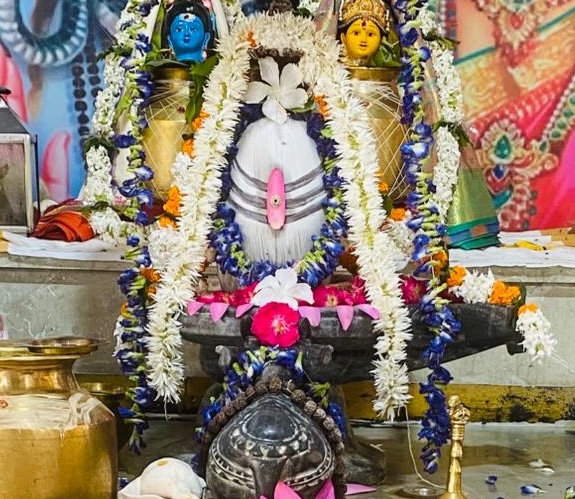
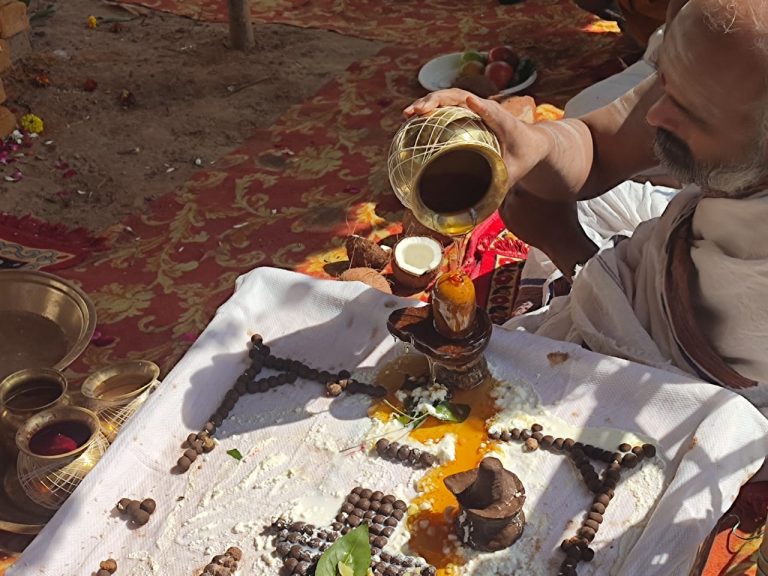
The Heart of the Offering: Daily Rudrabhisekam

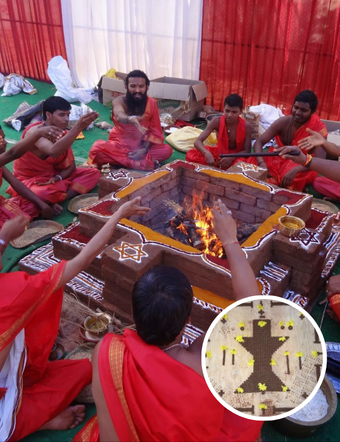
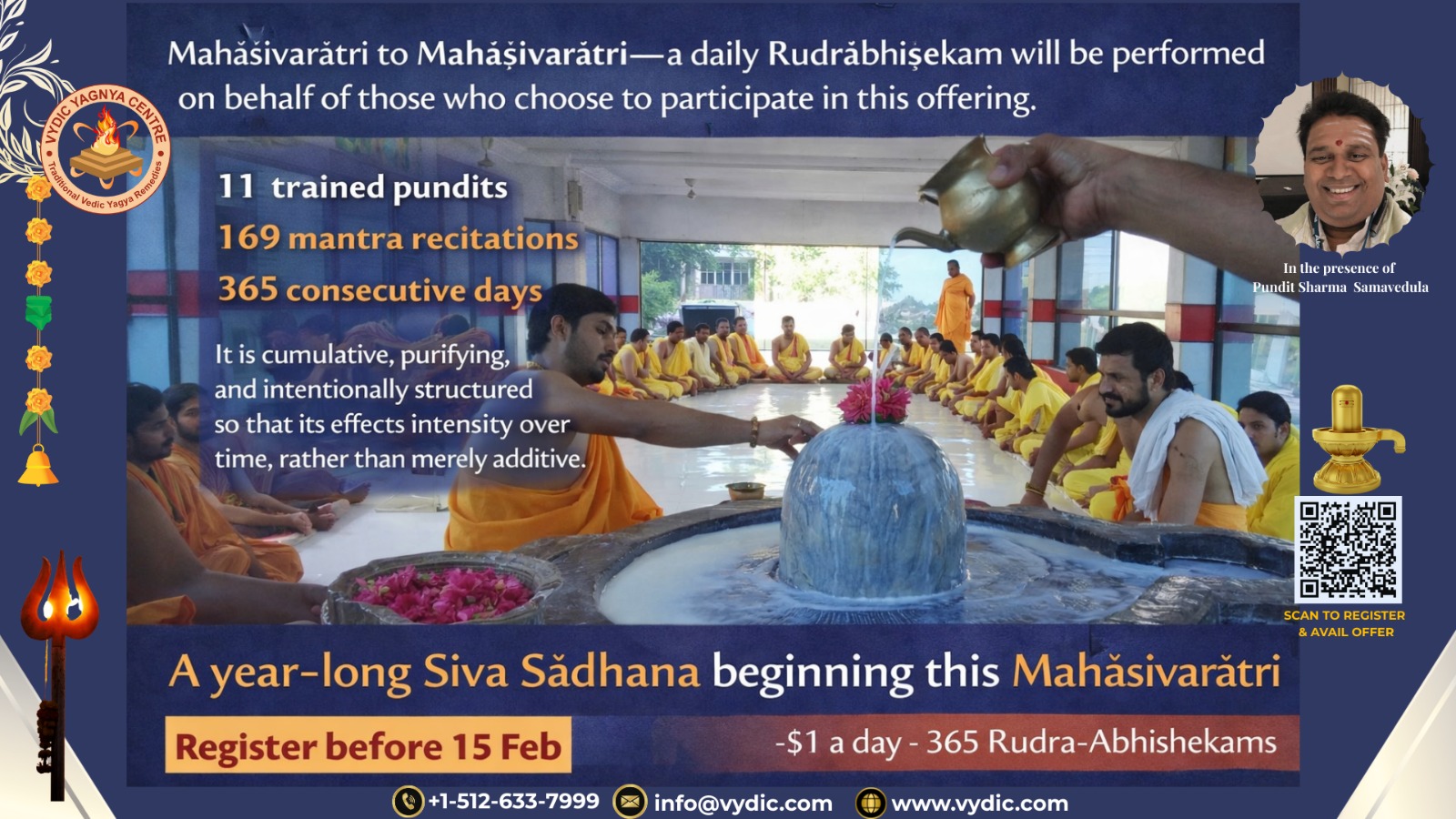
Beginning on Mahasivaratri (February 15) and continuing for 365 consecutive days, a daily Rudrabhiṣekam is performed on behalf of all participants.

Every single day, without interruption:

11 trained Vedic pundits

169 mantra recitations

Conducted from Kashi (Varanasi)—Siva’s most sacred city

Live-streamed so you may witness and stay connected

This is not symbolic.
It is purifying, cumulative, and intentionally structured so that its effect deepens over time.

Why Daily Rudrabhishekam?

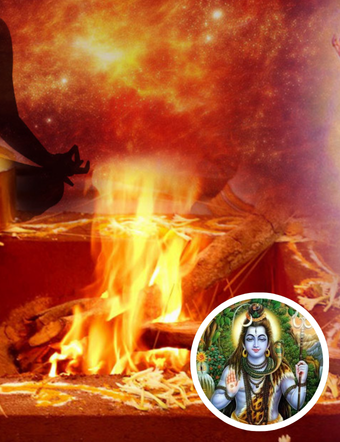
This is a group yagya, performed collectively to generate strong collective consciousness and amplified divine energy.
Daily Rudrabhishekam is known to bless participants with:
• Health & Healing
• Deep karmic cleansing
•Spiritual growth & inner stability
• Peace of mind and emotional balance
• Grace of Lord Shiva throughout the year
When done consistently for 365 days, its impact becomes life-transforming.

Simple Participation, Profound Support

Your participation is intentionally easeful and flexible.

Choose what fits your life:

  • 5 minutes a day — sit quietly, listen to the sacred music, or repeat the monthly mantra
  • 20 minutes, five days a week — for those who feel drawn to a more structured rhythm

This sadhana is meant to support daily life, not compete with it.

What Is Included Throughout the Year

Alongside the daily Rudrābhiṣekam, you receive:
Offered at the equivalent of about one dollar a day for a full year of daily sacred support, prayer, and guidance.

For questions, clarification, and guidance as the year unfolds

What Devotees Say

Your trust is our honor and your happiness is our goal.

Why This Offering Is Uniquely Accessible

Traditionally, year-long daily Vedic rituals, guided teaching, and ongoing spiritual support require significant personal cost or long-term temple commitments.

This offering is being made available at a rate intended as service, not commercial value—so that sincere seekers are not prevented from participating.

For less than what many spend monthly on routine subscriptions, you receive daily sacred support for an entire year.

This has been done intentionally, as an offering and a blessing during this time.

Discernment Is Respected

If you are still feeling into whether this year-long rhythm is right for you:

You are welcome to watch the February 7th orientation gathering replay

Watch Here : https://www.youtube.com/watch?v=e7kew8HLVLM

Questions are welcome at vyc@vydicfoundation.org

A thoughtful yes or a clear no are both fully respected.

This is not for everyone.

It is for those who feel a sincere pull toward continuity, steadiness, and grounded spiritual support this year.

FAQ's

A Homa/Yagya is an elaborate sacred Vedic ritual performed by trained Vedic priests or pundits. As prescribed in the Sacred Vedic scriptures, precision and timing along with intention are paramount. Ancient Maha Rishis and Saints have passed down this knowledge and the various procedures of performing Yagyas to their disciples continuing to today. Ancient Vedic civilization included Yagayas as a regular part of both individual and community life. As spiritual beings living a human experience, We can choose to rely exclusively on material resources, or we can petition the aid of our divine friends. A Vedic priest contacts the deities through the yagya and seeks their grace through divine energy on behalf of the person requesting the yagya. Improved health, prosperity, spiritual enlightenment, etc. are achieved with support of the divine and nature. The Divine’s response is naturally mysterious, however this is not magic. Dramatic results such as recovery from terrible disease are possible, However the yagya itself does not remove the disease, but clears away karmic obstacles to allow the medical treatments to work. Think of an umbrella in the rain. If rain is forecast, it can’t be changed. However, just as an umbrella protects you from the rain, yagyas reduce negative karma’s effect by reducing the intensity of any misfortunes. The situation is then brought to a bearable level for the patron. We don’t claim to cure every condition, We merely do all that is possible to allow Divine intervention to ease life and make it more positive. Think of it as an individual, family or business insurance policy. Global welfare and world peace are possible as well. Just like pouring water on the roots of the tree will help it to blossom and produce beautiful flowers and fruit, prayers and offerings to the God of Fire during Yagyas/Homas help achieve the desired result. The results vary depending on the person’s negative or positive karmic level, their faith, dedication and other factors. According to the Shastras: “Depending on the karmas of the previous birth, one will endure difficulties in life such as diseases, financial troubles, disappointments etc. These can be reduced in intensity or neutralized through treatments, charity, performance of Japa, Homa/Yagyas, or other such good deeds.” “पूर्व जन्म कृतम् पापं व्याधिरूपेण बाधते । तच्छांतिः औषधैः दानैः जप होम क्रियादिभिः ॥ “ “Poorva Janma kritam papam vyadhi roopena badhatey I Tat shanthihi aushadaihi danaihi japa homa kriyadibhihi II” How can one save him/herself from severe difficulties? How to find out when one needs help? Sanskrit says – “हेयम् दुःखमनागतम् “ “Heyum dukham anagatham II” “avert the danger that has not yet come.” Astrology is the Divine Shastra (Divine Subject) that has evolved from Sacred Vedic Texts for the purpose of predicting the future. This Astrological science is based on the date of birth, time of birth, and place of birth, and is connected directly with one’s natal chart and moon constellation. An astrologer uses this information, along with calculations to predict a person’s future based on the planet’s movements in his/her natal chart. Astrological Science in Sanskrit is known as ‘Jyotishya Vidya’ – ‘Jyoti’ means light, and ‘Isya’ means ‘Ishwara,’ or ‘Lord.’ Together, We get ‘The light that leads towards the Lord’. Light comes from peace, happiness and contentment which leads one to the Lord through self-realization. Astrology with the help of Homas/Yagyas helps one to avert danger before it arrives.

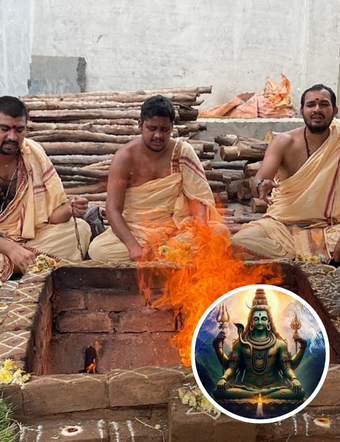
Pooja, Homa, Japa, Tarpana, Dana and Yagya are the common forms of Vedic remedies. Westerners know these all as “Yagya”, however differences do exist. Pooja This is a simple form used in daily practice for everyone. A Lord is worshipped by 16 forms (Upacharas) of deities. The pooja ranges from a simple, short daily ritual at home to an elaborate one in a temple. Homa Homa (also known as Homam or Havan) is a small fire to which offerings are made. Japa Japa is the regular meditative repetition of a Sanskrit mantra of name of God for a specific number of times. The time period for Japa ranges from brief to very long. Japa enhances the spiritual strength of the person chanting. Tarpana Tarpanam is the recitation of the related mantra done to a Deity while placing some grains of rice along with holy water on a plate. The plate sits in front of a picture or statue of the Deity. The water is then left in a river or near any plant or tree where it then merges into the environment and blends with the overall level of consciousness. Nature supports the intention (Sankalpa) and achieves the desired effect. Dana Dana is making an offering at the end of the Yagya to a deity or planet. The Yagya’s energy is then transmitted to the sponsor. Yagya Yagya is a very powerful fire ceremony and comes in many different forms. A specially trained vedic pandit chants sacred mantras and prayers over the fire. This is a very Saatvik (peaceful,balanced) and divine way to eliminate future worldly difficulties or to fulfill a particular wish.

Yagyas and Homas use the laws of nature to assist or reduce any tendency before it manifests. They work to reduce negativity while bringing support for success and fulfillment. Past negative karma is counteracted, creating positive karma for the present and future. Yagyas and Homas in combination with astrological analysis are the most reliable and proven remedial measures to avert danger and reduce negativity. Yagyas counter specific health issues, financial difficulties, relationship worries and difficult astrological life periods. They also encourage protection, support in personal/business ventures and spiritual development. The Vedas prescribe many kinds of Yagyas and Homas to tackle just about every situation. Similar to modern medicine, one must follow a combination of prescriptions to deal with the situation and return to good health. Yagyas and Homas work in a similar fashion, using a variety of rituals depending on the nature of the problem, the time and intensity of the situation. Finally, a well-qualified person who has thorough knowledge and experience in Jyotish, Yagyas and Homas is paramount to success. For more information on Yagyas details, please contact Pundit C. S. Samavedula at: cs@vydic.org

Pooja, Homa, Japa, Tarpana, Dana and Yagya are the common forms of Vedic remedies. Westerners know these all as “Yagya”, however differences do exist. Pooja This is a simple form used in daily practice for everyone. A Lord is worshipped by 16 forms (Upacharas) of deities. The pooja ranges from a simple, short daily ritual at home to an elaborate one in a temple. Homa Homa (also known as Homam or Havan) is a small fire to which offerings are made. Japa Japa is the regular meditative repetition of a Sanskrit mantra of name of God for a specific number of times. The time period for Japa ranges from brief to very long. Japa enhances the spiritual strength of the person chanting. Tarpana Tarpanam is the recitation of the related mantra done to a Deity while placing some grains of rice along with holy water on a plate. The plate sits in front of a picture or statue of the Deity. The water is then left in a river or near any plant or tree where it then merges into the environment and blends with the overall level of consciousness. Nature supports the intention (Sankalpa) and achieves the desired effect. Dana Dana is making an offering at the end of the Yagya to a deity or planet. The Yagya’s energy is then transmitted to the sponsor. Yagya Yagya is a very powerful fire ceremony and comes in many different forms. A specially trained vedic pandit chants sacred mantras and prayers over the fire. This is a very Saatvik (peaceful,balanced) and divine way to eliminate future worldly difficulties or to fulfill a particular wish.

In addition to the prescribed Yagyas, we also offer customized ones. The proper date and time are vital to any Ygaya. Once the Yagya is ordered, we will contact you via email or phone to get the date of birth, time of birth and birthplace location. Your gotra (Sanskrit for ancestral lineage or ancestral clan) is also necessary. All of this information then helps us select the proper day for your Yagya.

Vedic Yagyas have a deep influence on one and all. Vedic science uses the support of nature, wisdom, the Vedas, Astrology and Mantras.
Contact

Phone: +1-512-633-7999
Email: info@vydic.com

Address

PO Box 4978 Irvine, California 92616, U.S.A.

Terms & Conditions
limited availability: